Lamy Dark Lilac: The Color That Knows What It's Doing
For about forty-eight hours after it came back, everyone was happy. Then people actually started using it.
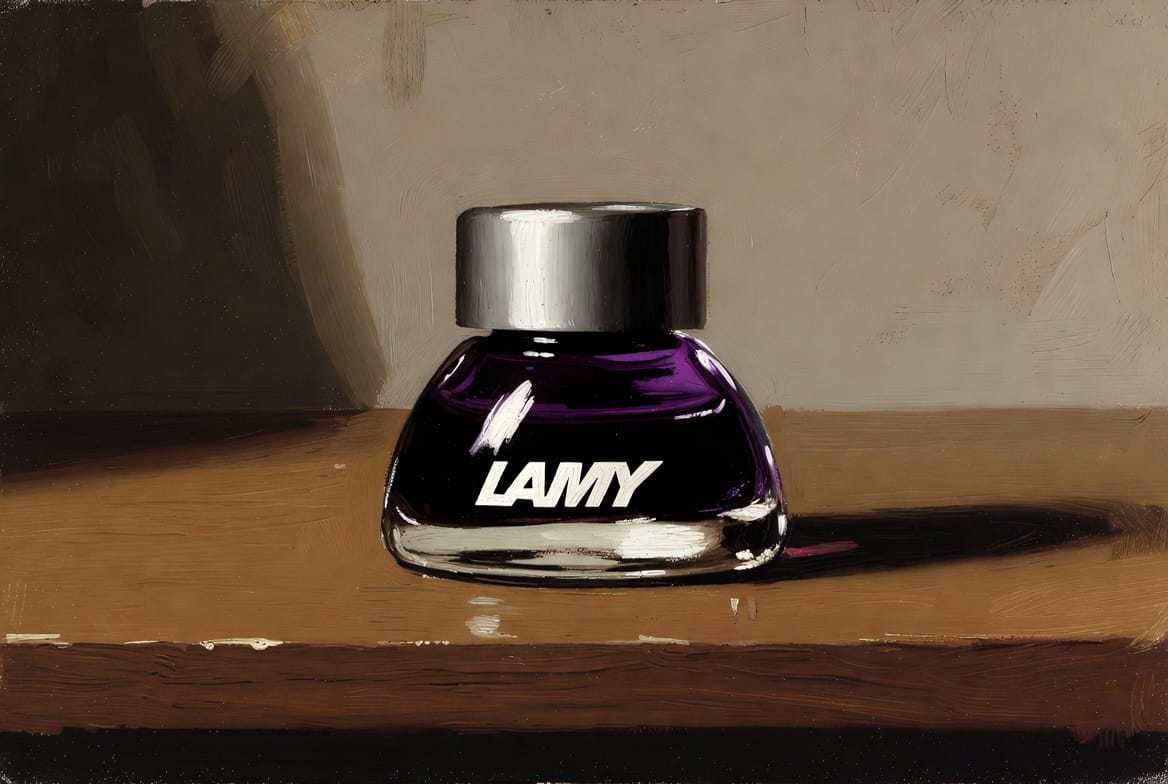
I love purple ink. I will buy just about any purple ink I find. I admit it, I have a problem. That's a particular kind of confidence in a color that refuses to explain itself.
But Dark Lilac has had to do a lot of explaining lately.
When Lamy first released it in 2016 as a limited edition, it became the kind of ink people quietly hoard. A lush purple with a golden sheen, it sold out fast, disappeared entirely, and spent the next eight years acquiring mythology. Bottles changed hands at pen shows for prices that embarrassed everyone involved. It was, by community consensus, the one that got away.
Then in early 2024, it came back. European retailers began listing it quietly, and the fountain pen community, which is small, passionate, and extremely online (probably because we're content being a bit introverted), lost its collective mind. For about forty-eight hours, everyone was happy.
Then people actually started using it.
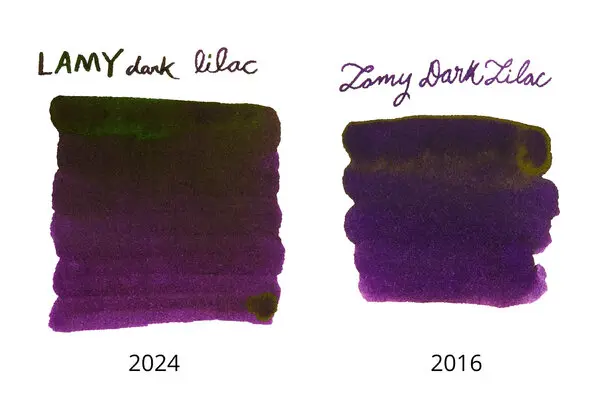
The 2024 formulation isn't the same ink. Lamy eventually confirmed what amateur sleuths had already established through side-by-side swatches: a key pigment ingredient from the original had been discontinued, making an exact recreation impossible. The base color leans slightly more plum than magenta. The sheen shifted from gold to green. Lamy, to their credit, eventually admitted they should have given it a different name.
The internet had opinions.
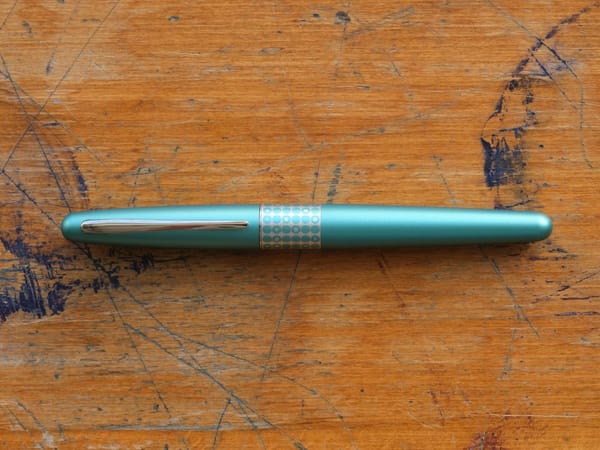
Here's mine: the drama was real, but the ink is still excellent. On the page, in a Metropolitan Medium nib, good flow, no pretension, Dark Lilac 2024-present performs without drama. Wet but not flooding, consistent through long writing sessions, quick to dry. It behaves. The green sheen, which purists treated as a betrayal, is actually striking in the right light. More visible than the original's gold, arguably more interesting. I love it.
 Phillip Presswood
What it does on the page is suggest. A page of notes written in Dark Lilac looks considered even when it isn't. There's something about that particular register of color that's not quite professional but not quite whimsical, that makes the act of writing feel like it carries weight.
The 2024 version is now a permanent offering rather than a limited edition, which means you can actually buy it without a secondary market markup. That alone should settle the argument for most people.
Some inks are workhorses. Dark Lilac is a collaborator in the best way.