The Pilot Metropolitan: Where Accessibility Meets Intention
The Metropolitan isn't interesting because it's cheap. It's interesting because it's considered.
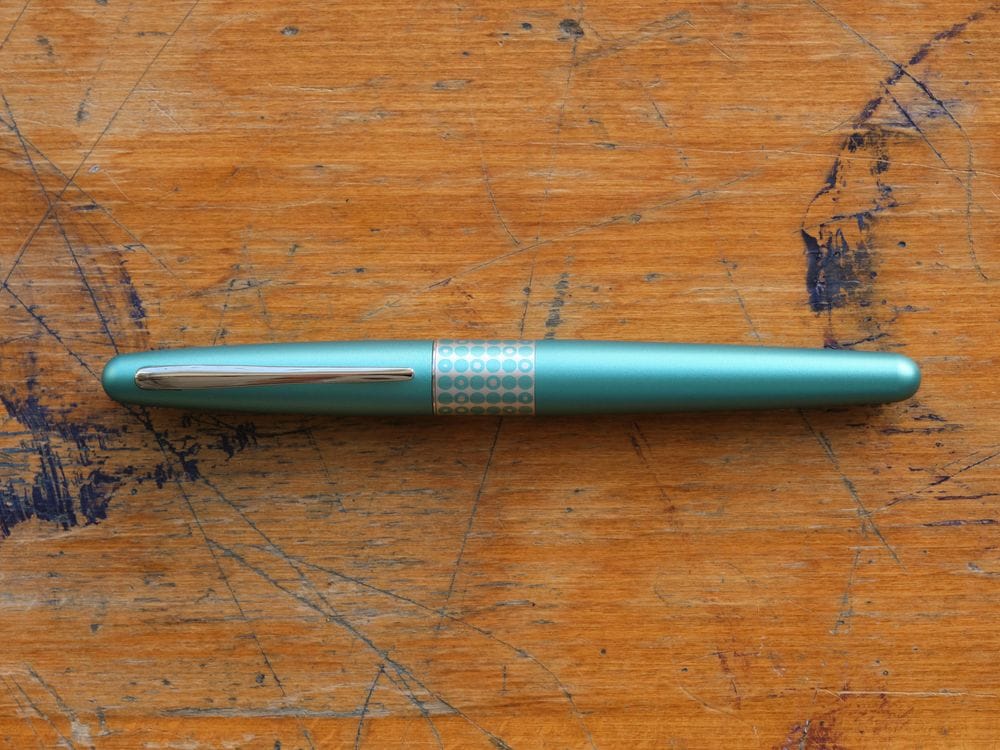
There's a version of this review that opens with the price. The Pilot Metropolitan costs around $15, and for many writers encountering fountain pens for the first time, that number is the whole story: affordable entry point, decent enough, move on.
I want to resist that framing.
The Metropolitan isn't interesting because it's cheap. It's interesting because it's considered. Pilot made deliberate choices here: a brass body that gives the pen actual weight and presence in the hand, a nib that writes smoother out of the box than pens costing three times as much, and a converter-compatible design that opens the entire world of bottled ink from day one. These aren't compromises dressed up as features. They're features.
The Medium nib, the one I've been writing with, lays down a line that feels generous without being sloppy. There's feedback, but the kind that tells you you're writing, not the kind that catches. Ink flow is consistent. Start-up after sitting uncapped is reliable.
For a daily carry pen, reliability is the review.
Where the Metropolitan shows its price is in the clip and trim. It's functional but visually fairly thin, the kind of hardware that suggests the budget was spent on what matters (the nib, the weight, the feed) rather than on appearance. That's a reasonable trade.
If you're building a writing practice around physical tools, around the idea that the instrument shapes the thought, the Metropolitan earns its place on the desk. Not as a starter pen you'll outgrow, but as a workhorse you'll keep reaching for even after you've spent considerably more on something fancier.
Some tools are gateways. This one is also a destination.